Gen Z Influence: 3 Fashion Accelerators for US Retail 2025
Advertisement
Gen Z is fundamentally transforming the US fashion retail landscape for 2025 by accelerating trends in digital engagement, demanding sustainable practices, and driving gender-fluid aesthetics, forcing brands to innovate or risk obsolescence.
Decoding Gen Z’s Influence: 3 Major Fashion Trend Accelerators for US Retail in 2025 is not just a theoretical exercise; it’s a critical roadmap for any brand aiming to thrive in the rapidly evolving consumer landscape. This demographic, born roughly between the mid-1990s and early 2010s, wields immense purchasing power and an even greater cultural sway, fundamentally reshaping how fashion is designed, marketed, and consumed. Understanding their core values and behaviors is paramount for retailers looking to connect authentically and secure future success.
The Digital-First Imperative: Social Commerce and Immersive Experiences
Gen Z lives online. Their journey with fashion often begins and ends within digital ecosystems, making social media platforms not just marketing channels, but integral parts of the shopping experience. For US retail in 2025, this translates into an undeniable imperative to embrace a digital-first strategy that extends beyond mere e-commerce websites.
Advertisement
The rise of social commerce is a prime example of this trend. Platforms like TikTok, Instagram, and even newer, more niche social apps have become virtual storefronts where Gen Z discovers new brands, engages with content creators, and makes direct purchases without ever leaving the app. This seamless integration of entertainment, discovery, and transaction is what Gen Z expects, and retailers who fail to deliver this frictionless experience will struggle to capture their attention.
The power of influencer marketing and user-generated content
Gen Z trusts their peers and authentic voices far more than traditional advertising. Influencer marketing, when executed genuinely, can be incredibly effective. Micro and nano-influencers, who often have highly engaged and niche followings, resonate particularly well because their recommendations feel more personal and less overtly commercial. Brands are increasingly collaborating with these creators to showcase products in real-life contexts, fostering a sense of community and relatability.
- Authenticity over polished perfection: Gen Z values transparency and realness.
- Community engagement: Brands that foster dialogue and interaction thrive.
- Micro-influencers: Often more effective due to higher engagement and niche appeal.
Beyond influencers, user-generated content (UGC) is a powerful tool. When Gen Z sees others like them wearing and styling a brand’s products, it builds trust and inspires confidence. Retailers are leveraging UGC through contests, hashtags, and featured customer content, effectively turning their customers into brand advocates. This approach not only generates organic marketing but also provides valuable social proof, which is crucial for a generation that heavily relies on peer validation.
Advertisement
Immersive digital experiences: Beyond the static image
Static product images are no longer enough. Gen Z craves immersive and interactive digital experiences. Augmented Reality (AR) and Virtual Reality (VR) are moving beyond novelty to become essential tools for engaging this demographic. Imagine trying on clothes virtually, seeing how they look in different environments, or even attending a virtual fashion show from the comfort of your home. These technologies offer a level of engagement that traditional online shopping cannot match.
Retailers are experimenting with AR try-on features in apps, virtual stores in the metaverse, and gamified shopping experiences. These innovations not only entertain but also reduce friction in the purchasing process by allowing Gen Z to visualize products more effectively, leading to higher conversion rates and fewer returns. The key is to make these experiences accessible and intuitive, ensuring they enhance rather than complicate the shopping journey.
The digital-first imperative for US retail in 2025 means constantly innovating in the online space, from optimizing social commerce strategies to embracing cutting-edge immersive technologies. Brands that view their digital presence as a dynamic, evolving entity will be best positioned to capture and retain the attention of Gen Z.
Sustainability as a Core Value: Ethical Consumption and Circularity
For Gen Z, sustainability is not a buzzword; it’s a fundamental expectation. Their purchasing decisions are heavily influenced by a brand’s environmental and social impact. This generation is acutely aware of climate change, labor ethics, and the broader societal implications of their consumption habits. For US fashion retail in 2025, this translates into a non-negotiable demand for transparency, ethical production, and a commitment to circularity.
Brands that merely pay lip service to sustainability will be quickly called out. Gen Z is adept at sniffing out greenwashing, and their collective voice on social media can quickly amplify positive or negative brand perceptions. Authenticity in sustainable practices is therefore paramount. This means not just using recycled materials, but also ensuring fair labor practices throughout the supply chain, minimizing waste, and designing for longevity.
Transparency and traceability in the supply chain
Gen Z wants to know where their clothes come from, how they were made, and by whom. Brands that provide detailed information about their supply chain, from raw material sourcing to manufacturing processes, build trust and credibility. This can involve QR codes on garments that link to production stories, interactive maps of factories, or publicly available sustainability reports. The more information a brand provides, the more confident Gen Z feels in their purchase.
- Material sourcing: Prioritizing recycled, organic, and upcycled fabrics.
- Ethical labor: Ensuring fair wages and safe working conditions.
- Reduced environmental footprint: Minimizing water, energy, and chemical use.
Traceability also extends to the end-of-life of a product. Gen Z is increasingly interested in brands that offer repair services, take-back programs, or advice on how to properly recycle or upcycle garments. This focus on the entire lifecycle of a product aligns with their desire for a more circular economy, where resources are kept in use for as long as possible.
The rise of circular fashion models
Beyond simply using sustainable materials, Gen Z is driving the adoption of circular fashion models. This includes a growing interest in second-hand clothing, rental services, and brands that design products with recyclability in mind. The stigma once associated with pre-owned items has largely vanished, replaced by an appreciation for unique finds and a more environmentally conscious approach to shopping.
Rental platforms for special occasions or even everyday wear are gaining traction, allowing Gen Z to access a wider variety of styles without the commitment of ownership and the associated environmental impact. Brands are also exploring innovative ways to design clothes that can be easily disassembled and recycled into new garments, minimizing waste and resource depletion. This shift towards a more circular economy is not just a trend; it’s a fundamental change in how fashion will operate in the future, driven largely by Gen Z’s values.
Retailers who embrace genuine sustainability, offer transparency, and actively participate in circular economy initiatives will not only attract Gen Z but also build a more resilient and responsible business model for the long term. This means integrating sustainability into every aspect of their operations, from design to disposal.
Fluid Identity and Inclusivity: Breaking Norms and Embracing Diversity
Gen Z is arguably the most diverse and inclusive generation to date. They reject rigid categories and embrace fluidity in identity, particularly concerning gender expression. This profound shift has significant implications for US fashion retail in 2025, pushing brands to move beyond traditional binary offerings and embrace truly inclusive designs, marketing, and sizing strategies.
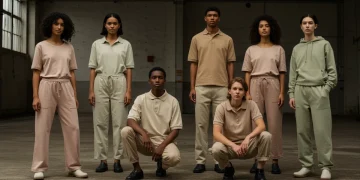
The concept of gender-neutral fashion is no longer a niche market; it’s becoming mainstream. Gen Z sees clothing as a form of self-expression, unconstrained by conventional gender norms. They are looking for garments that feel authentic to them, regardless of whether they are marketed to men or women. This means a demand for versatile styles, cuts, and silhouettes that can be worn by anyone, promoting a sense of freedom and individuality.
Beyond gender: The spectrum of self-expression
For Gen Z, fashion is a tool for expressing their multifaceted identities. This extends beyond gender to include body positivity, cultural heritage, and personal aesthetics. They seek brands that celebrate diversity in all its forms and reflect the rich tapestry of human experience. Marketing campaigns that feature a wide range of body types, ethnicities, and gender expressions resonate deeply with this generation, making them feel seen and understood.
- Gender-neutral clothing: Designs that transcend traditional male/female categories.
- Inclusive sizing: Extending beyond standard sizes to cater to all body types.
- Diverse representation: Featuring a wide array of identities in marketing.
The traditional fashion industry’s reliance on narrow beauty standards is being challenged by Gen Z. They champion authenticity and individuality, pushing brands to showcase real people with diverse stories. This creates an opportunity for retailers to build genuine connections by embracing a broader definition of beauty and style.
The demand for truly inclusive sizing and fit
Inclusivity also means offering a comprehensive range of sizes that genuinely cater to all body types. Gen Z is vocal about the need for fashion that fits and flatters everyone, not just a select few. Brands that offer extended sizing, provide detailed fit guides, and use diverse models in their product imagery demonstrate a commitment to true inclusivity, earning the loyalty of this demographic.
Furthermore, the concept of "fit" itself is evolving. Gen Z prioritizes comfort and versatility, often opting for looser, more adaptable silhouettes that can be styled in multiple ways. This move away from restrictive, body-conforming styles reflects their desire for clothing that supports their active lifestyles and allows for personal expression without compromise. Retailers must adapt their product offerings to meet these evolving preferences, ensuring their collections are both stylish and genuinely inclusive.
Embracing fluid identity and inclusivity is not merely a trend; it is a fundamental shift in cultural values that Gen Z is embedding into the fashion landscape. Brands that champion diversity, offer truly inclusive products, and celebrate individual expression will forge stronger, more meaningful connections with this powerful consumer group in 2025 and beyond.
Personalization at Scale: Customization and Unique Expressions
Gen Z values individuality above almost anything else. They are not interested in blending in; they want to stand out and express their unique personality through their fashion choices. This drives a significant demand for personalization and customization options within US fashion retail for 2025. Generic, mass-produced items hold less appeal compared to pieces that can be tailored, adapted, or uniquely designed to reflect their personal style.
This desire for uniqueness extends beyond simply choosing different colors or patterns. Gen Z is looking for opportunities to co-create, to put their own stamp on products, and to acquire items that feel truly one-of-a-kind. Retailers who can offer these personalized experiences, whether through digital tools or physical customization services, will gain a significant competitive advantage.
The allure of bespoke and limited-edition items
While true bespoke fashion might be out of reach for many Gen Z consumers, the desire for something similar drives interest in limited-edition drops, collaborations, and capsule collections. These offerings create a sense of exclusivity and urgency, appealing to Gen Z’s desire for unique items that not everyone will have. Brands that successfully manage these drops, often leveraging social media to build hype, see strong engagement and sales.
- Co-creation platforms: Allowing customers to design aspects of their products.
- Modular fashion: Pieces that can be combined or altered for different looks.
- Upcycling and vintage: Valuing the unique history and character of pre-loved items.
Customization options, such as embroidery services, patch applications, or interchangeable components, also resonate strongly. Imagine a jacket where you can swap out sleeves or collars, or a pair of sneakers where you can design your own graphic elements. These options empower Gen Z to become designers themselves, fostering a deeper connection with the brand and the product.
Data-driven personalization and AI’s role
Beyond explicit customization, retailers are increasingly using data and artificial intelligence (AI) to offer highly personalized shopping experiences. This includes curated product recommendations based on browsing history and purchase behavior, personalized styling advice delivered through chatbots, and even dynamic pricing tailored to individual preferences.
AI can analyze fashion trends, predict individual style preferences, and even suggest complementary items, making the shopping experience feel incredibly intuitive and tailored. For Gen Z, this isn’t intrusive; it’s helpful. They expect brands to understand their needs and provide relevant suggestions, streamlining their decision-making process and enhancing their overall satisfaction. The key is to use this data responsibly and transparently, respecting privacy while delivering value.
The drive for personalization at scale means that fashion in 2025 will be less about mass appeal and more about individual connection. Retailers mastering customization, offering unique drops, and leveraging AI for truly tailored experiences will be the ones that capture the hearts and wallets of Gen Z, transforming shopping into a highly personal and expressive journey.
The Experience Economy: Retail as Destination and Community Hub
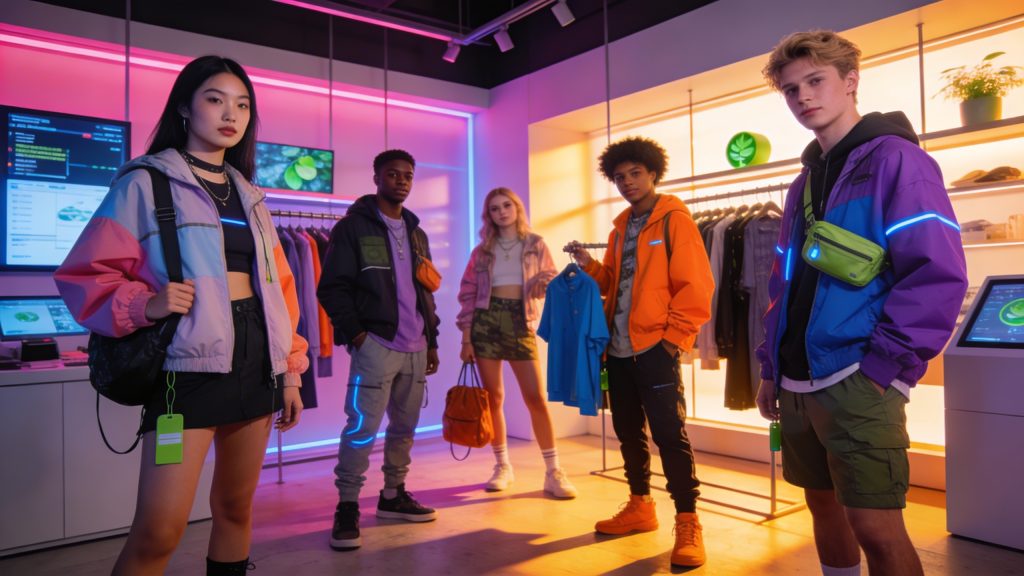
For Gen Z, shopping is not merely a transactional activity; it’s an experience. They seek out retail environments that offer more than just products—they want engaging spaces that foster community, provide entertainment, and align with their values. For US fashion retail in 2025, this means reimagining physical stores as dynamic destinations and community hubs, rather than just points of sale.
Traditional brick-and-mortar stores are evolving into experiential spaces where Gen Z can interact with brands in meaningful ways. This could involve pop-up events, workshops, cultural gatherings, or even co-working spaces integrated within a retail setting. The goal is to create a memorable brand experience that encourages lingering, exploration, and social interaction, extending the brand’s presence beyond the moment of purchase.
Beyond transactions: Creating memorable moments
Retailers are investing in immersive store designs that are highly Instagrammable, encouraging visitors to share their experiences on social media. This turns customers into organic marketers and amplifies the brand’s reach. Interactive displays, art installations, and unique architectural features all contribute to creating a distinctive atmosphere that resonates with Gen Z’s desire for novelty and shareable content.
- Interactive installations: Engaging customers with technology and art.
- Community events: Hosting workshops, talks, and cultural gatherings.
- Co-working spaces: Offering amenities that encourage longer stays.
Furthermore, the staff in these experiential stores play a crucial role. They are not just sales associates but brand ambassadors, educators, and community facilitators. Their ability to connect authentically with Gen Z, share product knowledge, and foster a welcoming environment is vital for creating a positive and memorable experience. The human element remains incredibly important, even in an increasingly digital world.
Integrating online and offline: The phygital approach
The experience economy for Gen Z also blurs the lines between online and offline shopping, creating a "phygital" retail landscape. Physical stores can serve as showrooms for online collections, offering personalized styling appointments or convenient click-and-collect options. Conversely, online platforms can drive foot traffic to physical locations through exclusive in-store events or personalized alerts about new arrivals.
This seamless integration allows Gen Z to move fluidly between digital and physical touchpoints, leveraging the best of both worlds. For example, they might discover a product online, try it on in-store, and then purchase it later through an app. Retailers who successfully harmonize these channels provide a convenient, consistent, and engaging shopping journey that meets Gen Z’s expectations for flexibility and personalized service.
Ultimately, the experience economy for US fashion retail in 2025 means prioritizing engagement, community, and seamless integration across all touchpoints. Brands that transform their stores into vibrant hubs and their online presence into interactive destinations will not only attract Gen Z but also build lasting relationships based on shared values and memorable experiences.
The Role of Social Responsibility and Brand Activism
Gen Z is not just buying products; they are buying into values. This generation expects brands to take a stance on social and environmental issues, leveraging their platform for positive change. For US fashion retail in 2025, social responsibility and brand activism are no longer optional extras but integral components of brand identity and consumer appeal. Silence on critical issues can be perceived as complicity, leading to disengagement and brand erosion.
This means brands must move beyond mere corporate social responsibility (CSR) initiatives to genuine activism. It’s about authentic commitment, transparency in efforts, and tangible impact. Gen Z is quick to identify performative allyship, so any brand activism must be deeply embedded in the company’s ethos and operations, not just a marketing tactic.
Taking a stance: Aligning with Gen Z’s values
Gen Z is passionate about a range of issues, including racial justice, LGBTQ+ rights, gender equality, and mental health awareness. Brands that authentically align with these causes, through donations, advocacy, or internal policies, resonate strongly. This doesn’t mean jumping on every bandwagon; it means choosing issues that genuinely connect with the brand’s mission and values, and then demonstrating consistent, meaningful support.
- Authentic advocacy: Supporting causes genuinely aligned with brand values.
- Transparent reporting: Sharing impact and progress on social initiatives.
- Employee engagement: Fostering a diverse and inclusive workplace culture.
This activism also extends to internal practices. Gen Z scrutinizes a brand’s diversity and inclusion efforts within its own workforce, its leadership team, and its marketing campaigns. They expect to see representation and equity reflected at all levels, reinforcing the idea that a brand’s external message must be consistent with its internal reality.
Impact over rhetoric: Demonstrating real change
Empty promises or vague statements of support are insufficient. Gen Z demands evidence of real impact. This could involve quantifiable metrics on charitable giving, progress reports on diversity initiatives, or partnerships with non-profit organizations that are actively working on social issues. Brands that can clearly articulate their contributions to positive change will earn the respect and loyalty of this discerning demographic.
Furthermore, brand activism can also manifest in product design and sourcing. For example, brands that actively support artisans from marginalized communities, use fair trade certified materials, or contribute to local economies through their production processes are seen as more responsible and appealing. This integrated approach to social responsibility demonstrates a holistic commitment that goes beyond surface-level initiatives.
For US fashion retail in 2025, navigating social responsibility and brand activism requires courage, conviction, and consistency. Brands that genuinely embed these values into their core operations and communicate their impact transparently will not only attract Gen Z but also build a more ethical and influential presence in the market.
The Future of Fashion Retail: Agility and Adaptation
The influence of Gen Z on US fashion retail for 2025 is profound and multifaceted. Their digital fluency, ethical consciousness, and celebration of individuality are forcing an industry-wide re-evaluation of established practices. The brands that will thrive are those that demonstrate agility and a willingness to adapt, constantly innovating to meet the evolving demands of this powerful consumer group. Sticking to outdated models is a recipe for obsolescence.
This agility extends to product development, marketing strategies, and operational structures. Fashion cycles are accelerating, driven by social media trends, and Gen Z expects brands to keep pace. This means faster concept-to-market timelines, more responsive supply chains, and a continuous feedback loop with their customer base. The era of seasonal collections dictating consumer choice is rapidly fading, replaced by a more dynamic, on-demand approach.
Leveraging data for predictive insights
To remain agile, retailers must harness the power of data. Advanced analytics and AI can provide predictive insights into emerging trends, consumer preferences, and market shifts. By understanding what Gen Z is talking about online, what they are searching for, and what influences their purchasing decisions, brands can proactively adjust their strategies and product offerings. This data-driven approach minimizes risk and maximizes responsiveness.
- Rapid prototyping: Quickly testing new designs and concepts.
- Flexible supply chains: Adapting to demand fluctuations and trend shifts.
- Continuous feedback loops: Engaging with Gen Z to inform product development.
Furthermore, real-time data on sales, inventory, and customer engagement allows for rapid adjustments to marketing campaigns and inventory management. This not only optimizes efficiency but also ensures that brands are always offering what Gen Z wants, when they want it, thereby reducing waste and improving customer satisfaction.
Collaboration and community building as strategic assets
In an increasingly fragmented market, collaboration and community building are becoming strategic assets. Brands that partner with other brands, influencers, or even their own customers to create unique products or experiences foster a stronger sense of belonging and relevance. These collaborations can introduce brands to new audiences and reinforce their commitment to innovation and creativity.
Building a strong brand community, both online and offline, also creates a loyal customer base that is more resilient to market fluctuations. When Gen Z feels a genuine connection to a brand, they become advocates, sharing their positive experiences and defending the brand against criticism. This organic advocacy is invaluable in an age where trust and authenticity are paramount.
The future of fashion retail for US in 2025 is one of constant evolution, driven by the unique characteristics of Gen Z. Brands that embrace agility, leverage data, and prioritize genuine connection will not only survive but thrive, shaping a more dynamic, responsible, and personalized fashion landscape for years to come.
| Key Trend Accelerator | Brief Description and Impact |
|---|---|
| Digital-First Engagement | Gen Z’s reliance on social commerce, influencer marketing, and immersive digital experiences (AR/VR) for discovery and purchase. |
| Sustainability as Core Value | Demand for transparency, ethical production, circular fashion models (resale, rental), and genuine environmental responsibility. |
| Fluid Identity & Inclusivity | Rejection of rigid gender norms, demand for gender-neutral fashion, inclusive sizing, and diverse representation in marketing. |
| Personalization at Scale | Desire for unique, customized products and experiences, driven by AI-powered recommendations and co-creation opportunities. |
Frequently asked questions about Gen Z and fashion retail
Gen Z’s digital fluency drives demand for social commerce, engaging influencer content, and immersive digital experiences like AR try-ons. Retailers must integrate online and offline channels seamlessly, prioritizing mobile-first strategies and interactive content to capture their attention and facilitate frictionless purchasing journeys.
Sustainability is a core value for Gen Z, influencing their purchasing decisions significantly. They expect transparency in supply chains, ethical production, and a commitment to circularity. Brands must demonstrate genuine environmental and social responsibility to build trust and avoid accusations of greenwashing, which can rapidly erode brand loyalty.
Fluid identity, particularly gender expression, means a shift towards gender-neutral designs and inclusive sizing. Gen Z seeks versatile clothing that allows for personal expression beyond traditional norms. Brands must cater to diverse body types and identities, moving away from binary categories to offer collections that are truly representative and accommodating.
Gen Z craves individuality and unique self-expression, making personalization highly appealing. This includes customizable products, limited-edition drops, and AI-driven recommendations. Brands that offer opportunities for co-creation or tailored shopping experiences foster deeper engagement and loyalty by making customers feel seen and understood in their unique style.
Physical stores are evolving into experiential destinations and community hubs for Gen Z. They seek memorable experiences beyond mere transactions, including interactive displays, workshops, and social events. Retailers must create engaging "phygital" environments that blend online and offline touchpoints, offering a consistent and enriching brand journey.
Conclusion: Adapting for a Gen Z-Driven Future
The profound influence of Gen Z on US fashion retail in 2025 cannot be overstated. Their digital savviness, unwavering commitment to sustainability, and fluid approach to identity are not just trends but foundational shifts that demand a complete re-evaluation of how brands operate. Retailers who embrace these accelerators—prioritizing authentic digital engagement, embedding genuine ethical practices, celebrating diversity, and offering personalized experiences—will not only secure their relevance but also pave the way for a more dynamic and responsible fashion industry. The future belongs to those who are agile, innovative, and deeply attuned to the values of this transformative generation.