Digital Fashion’s Rise: 6 Trends Shaping US Style by 2025
Advertisement
Digital fashion is rapidly transforming US consumer style, with innovative trends such as virtual try-ons, NFTs, and AI-powered designs emerging as key drivers by mid-2025, redefining how individuals interact with clothing and personal expression.
The fashion landscape is undergoing a monumental shift, propelled by technological advancements and evolving consumer behaviors. By mid-2025, digital fashion trends will not just be a niche interest but a dominant force, profoundly impacting how US consumers perceive, purchase, and personalize their style. This article delves into six pivotal trends that are poised to redefine the future of fashion.
Advertisement
The Emergence of Virtual Try-On Experiences
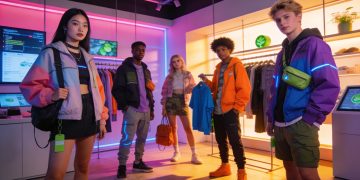
Virtual try-on experiences are revolutionizing online shopping, offering consumers a realistic preview of how garments will look on them without physical interaction. This technology leverages augmented reality (AR) and artificial intelligence (AI) to create highly immersive and personalized shopping journeys, bridging the gap between digital convenience and the tactile experience of traditional retail.
As e-commerce continues its rapid expansion, the demand for more engaging and accurate online shopping tools has never been higher. Virtual try-ons address a critical pain point: the uncertainty of fit and appearance when buying clothes sight unseen. This innovation is not merely a novelty; it’s becoming an essential component of the modern retail ecosystem, driving engagement and reducing returns.
Advertisement
Redefining the Shopping Journey
The integration of virtual try-on into e-commerce platforms is transforming how consumers approach purchasing decisions. Shoppers can now experiment with various styles, colors, and sizes from the comfort of their homes, leading to more confident and satisfying purchases.
- Increased Confidence: Consumers feel more secure in their choices, knowing how an item will appear.
- Reduced Returns: Better fit prediction translates to fewer product returns, benefiting both consumers and retailers.
- Enhanced Personalization: AI algorithms suggest items based on virtual try-on data, tailoring recommendations.
- Time Efficiency: Eliminates the need for physical store visits or multiple online orders to find the right fit.
Technological Advancements Driving Adoption
The sophistication of virtual try-on technology is rapidly improving, with advancements in 3D rendering, body scanning, and real-time AR processing. These improvements contribute to a more seamless and realistic experience, making it indistinguishable from trying on physical clothing for many users.
Moreover, the accessibility of these technologies on standard smartphones means that a wide audience can participate. Retailers are investing heavily in these solutions, recognizing their potential to differentiate their brands and capture a larger share of the digital market. The rise of 5G networks also promises even faster and more fluid AR experiences, further accelerating its adoption.
Ultimately, virtual try-on experiences are set to become a standard expectation in online fashion retail. They offer a compelling blend of convenience, personalization, and reduced risk, fundamentally altering how US consumers interact with clothing brands and make their purchasing decisions by mid-2025.
NFTs and Digital Collectibles as Status Symbols
Non-Fungible Tokens (NFTs) have transcended the art world, finding a fertile ground in fashion as unique digital collectibles and nascent status symbols. These blockchain-backed assets represent ownership of digital garments, accessories, and even entire virtual wardrobes, offering a new frontier for personal expression and exclusive brand engagement within the US consumer market.
The allure of NFTs in fashion lies in their scarcity, verifiable authenticity, and the ability to showcase digital ownership in virtual spaces. As Metaverses and other digital environments become more commonplace, the demand for unique digital identities and possessions will naturally grow. Fashion NFTs cater to this desire, allowing individuals to curate a distinct persona that extends beyond the physical realm.
Exclusive Access and Community Building
Beyond mere ownership, fashion NFTs often grant holders access to exclusive communities, events, or future drops. This creates a powerful sense of belonging and prestige, tying the digital asset to real-world value and social capital.
- Community Membership: NFTs can act as passes to exclusive online groups or forums.
- Early Access: Holders may receive priority access to new collections, both digital and physical.
- Brand Loyalty: NFTs foster a deeper connection between consumers and their favorite brands.
- Digital Identity: Expressing personal style through unique digital items in virtual worlds.
The Interplay of Physical and Digital Ownership
Many brands are experimenting with hybrid models, where the purchase of a physical garment comes with a corresponding NFT, or vice versa. This blurs the lines between tangible and intangible assets, creating a richer, more integrated consumer experience.
For US consumers, owning a fashion NFT can be a statement of early adoption, an investment, or simply a way to engage with their passion for fashion in a novel way. By mid-2025, the market for these digital collectibles is expected to mature significantly, with more established brands and designers entering the space, further solidifying their role as legitimate status symbols and investment pieces.
AI-Powered Design and Personalization
Artificial intelligence is no longer just a tool for data analysis; it’s becoming a creative partner in the fashion industry. AI-powered design and personalization are set to revolutionize how clothing is conceived, produced, and tailored to individual preferences, offering unprecedented levels of customization and efficiency for US consumers.
From generating novel design concepts to predicting future trends and optimizing supply chains, AI’s capabilities are vast. It can analyze vast datasets of fashion imagery, consumer behavior, and cultural movements to inform design decisions, leading to collections that are both innovative and highly resonant with target audiences. This paradigm shift moves away from mass production toward a more bespoke and responsive fashion ecosystem.
Generative AI in Fashion Creation
Generative AI models can create entirely new garment designs, patterns, and even fabric textures with minimal human input. This accelerates the design process and opens up possibilities for truly unique and avant-garde creations that might not emerge from traditional design methods.
- Rapid Prototyping: AI can quickly generate numerous design variations for designers to review.
- Trend Prediction: Algorithms analyze social media and sales data to forecast upcoming styles.
- Material Innovation: AI assists in discovering new sustainable materials and production techniques.
- Unique Aesthetics: Producing designs that push conventional boundaries and foster creativity.
Hyper-Personalization at Scale
AI’s ability to process individual consumer data – such as body measurements, style preferences, and purchase history – enables hyper-personalization at a scale previously unimaginable. This means clothing can be designed or adapted specifically for each customer, moving beyond standard sizing to truly custom-fit garments.
By mid-2025, consumers will increasingly expect personalized recommendations and custom-fit options, driven by AI. This trend will not only enhance customer satisfaction but also contribute to a more sustainable industry by reducing overproduction and waste. AI-powered personalization ensures that what is produced is what is desired, creating a more efficient and consumer-centric fashion future.
Sustainable Digital Fashion Practices
As awareness of the environmental impact of traditional fashion grows, sustainable digital fashion practices are gaining significant traction. This trend focuses on minimizing waste, reducing resource consumption, and promoting ethical production through the use of digital tools and virtual garments. It offers a compelling alternative to the linear model of fast fashion, aligning with the values of increasingly eco-conscious US consumers.
Digital fashion, by its very nature, eliminates many of the environmental burdens associated with physical production, such as water usage, chemical dyes, and textile waste. The creation of virtual clothing, digital samples, and 3D designs significantly reduces the need for physical prototypes, thereby lessening the carbon footprint of the design and manufacturing process.
Reducing Environmental Footprint
The shift towards digital fashion offers tangible environmental benefits, making it an attractive option for brands looking to enhance their sustainability credentials and for consumers seeking more ethical choices.
- Zero Physical Waste: Digital garments produce no textile waste during their creation.
- Lower Carbon Emissions: Reduced need for physical production and transportation.
- Water Conservation: Avoids the extensive water usage associated with dyeing and finishing fabrics.
- Ethical Sourcing: Digital models eliminate concerns over labor practices in manufacturing.
Promoting Circularity and Longevity
Digital fashion inherently supports circular economy principles. Digital garments can be altered, updated, and reused infinitely without physical degradation. This fosters a mindset of longevity and resourcefulness, moving away from the disposable nature of much of contemporary fashion.
Furthermore, digital fashion can serve as a powerful medium for raising awareness about sustainability issues. Brands can use virtual collections to showcase innovative materials or production methods, educating consumers on more responsible consumption habits. By mid-2025, sustainable digital fashion will be a cornerstone of the industry’s efforts to mitigate its environmental impact, resonating deeply with a generation of consumers prioritizing ecological responsibility.
Metaverse Fashion and Avatars
The burgeoning Metaverse is poised to become a central hub for social interaction, entertainment, and commerce, and fashion is an integral part of this digital evolution. Metaverse fashion refers to clothing and accessories designed specifically for digital avatars, allowing users to express their identity and style within virtual worlds. This trend offers US consumers unprecedented freedom in self-presentation, unconstrained by physical limitations or societal norms.
As virtual reality (VR) and augmented reality (AR) technologies become more sophisticated and accessible, the Metaverse will offer increasingly immersive experiences. Avatars will no longer be simple representations but extensions of our digital selves, requiring a robust and diverse fashion ecosystem to cater to varied tastes and preferences. Major fashion houses and independent designers are already staking their claim in this new frontier.
Building Digital Identities
In the Metaverse, an avatar’s clothing is a primary means of self-expression and social signaling. Users can curate elaborate virtual wardrobes, experimenting with styles that might be impractical or impossible in the physical world.
- Fluid Identity: Freedom to change avatar’s appearance and style instantly.
- Creative Expression: Experimentation with fantastical and imaginative designs.
- Social Status: Displaying rare or exclusive digital garments and accessories.
- Community Engagement: Dressing up for virtual events and gatherings.
Collaboration and Co-creation in Virtual Worlds
The Metaverse also fosters new models of collaboration between brands, designers, and consumers. Users can participate in co-creation initiatives, designing elements of digital collections or voting on future releases. This democratizes the design process and builds stronger communities around brands.
By mid-2025, the Metaverse will host a vibrant economy centered around digital fashion, with brands launching exclusive collections and consumers engaging in virtual styling and social commerce. The lines between physical and virtual fashion will continue to blur, as consumers increasingly invest in their digital presence, making Metaverse fashion a significant driver of US consumer style.
Hyper-Realistic Digital Showrooms and Campaigns
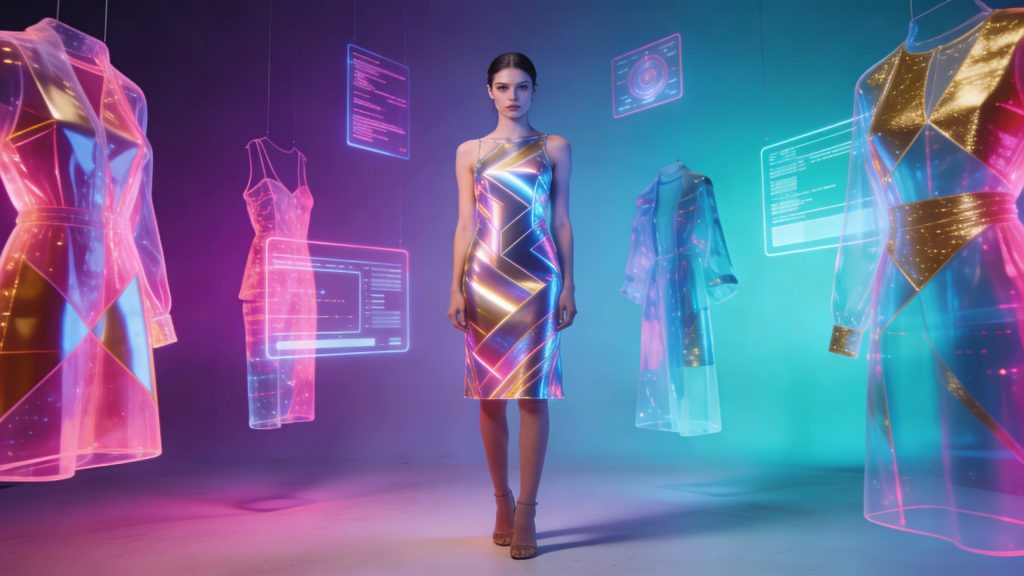
The fashion industry is embracing hyper-realistic digital showrooms and campaigns to showcase collections, engage audiences, and reduce the logistical complexities and environmental impact of traditional presentations. These immersive digital experiences leverage advanced 3D rendering, virtual reality, and interactive platforms to create visually stunning and highly engaging content for US consumers.
Gone are the days when fashion campaigns were limited to physical sets and print magazines. Digital showrooms allow brands to present their collections in fantastical, impossible, or highly customizable environments, providing a richer narrative and greater creative freedom. This approach not only captivates audiences but also aligns with the growing demand for sustainable and technologically forward brand experiences.
Beyond Traditional Fashion Weeks
Digital showrooms offer an alternative to the demanding schedule and high costs of traditional fashion weeks. Brands can host virtual events that are globally accessible, democratizing access to fashion and reaching a wider, more diverse audience.
- Global Accessibility: Reaching consumers worldwide without geographical limitations.
- Reduced Costs: Eliminating expenses associated with physical venues, travel, and logistics.
- Creative Freedom: Designing environments and narratives unbound by physical constraints.
- Interactive Engagement: Allowing viewers to explore collections and interact with garments digitally.
Interactive and Personalized Experiences
These digital campaigns are often highly interactive, allowing viewers to zoom in on details, explore different colorways, or even virtually try on garments. This level of engagement transforms passive viewing into an active, personalized experience, making the consumer feel more connected to the brand and its offerings.
By mid-2025, hyper-realistic digital showrooms and campaigns will be a standard practice for leading fashion brands. They represent a powerful convergence of technology and creativity, offering a sustainable and highly effective way to present collections and build brand loyalty in an increasingly digital-first world for US consumers.
The Rise of “Phygital” Fashion
“Phygital” fashion represents the seamless integration of physical and digital elements within a single product or experience. This innovative trend blurs the boundaries between the tangible and intangible, offering US consumers a richer, multi-dimensional engagement with clothing and accessories. It’s about creating interconnected experiences where digital assets enhance physical products, and vice versa.
The concept often involves physical garments embedded with QR codes or NFC tags that link to digital content, such as NFTs, AR filters, or exclusive online experiences. Conversely, digital garments might come with a physical counterpart or the option to redeem a physical item. This creates a holistic ecosystem where both realms complement and enrich each other.
Bridging the Physical and Digital Divide
Phygital fashion offers a unique value proposition by combining the tactile satisfaction of physical ownership with the dynamic possibilities of digital interaction. It caters to consumers who appreciate both traditional craftsmanship and technological innovation.
- Enhanced Storytelling: Digital layers can provide deeper insights into a garment’s origin or design process.
- Exclusive Content: Physical items can unlock virtual experiences, games, or community access.
- Verifiable Authenticity: NFTs linked to physical items can prove ownership and combat counterfeiting.
- Interactive Experience: AR filters connected to physical clothing create engaging social media content.
The Future of Fashion Ownership and Experience
For US consumers, phygital fashion offers a novel way to engage with brands and express their identity across both physical and virtual spaces. It adds layers of utility and collectibility to traditional fashion items, extending their lifespan and appeal beyond mere wearability.
By mid-2025, phygital offerings will likely become a common strategy for brands seeking to innovate and connect with a tech-savvy audience. This trend will redefine what it means to own a piece of fashion, transforming it into an evolving asset that lives and breathes in both the physical and digital realms, creating a truly integrated consumer experience.
| Key Trend | Brief Description |
|---|---|
| Virtual Try-Ons | AR/AI tech for realistic digital garment previews, enhancing online shopping confidence. |
| NFTs & Digital Collectibles | Unique blockchain-backed digital fashion items as status symbols and community access. |
| AI-Powered Design | AI generating new designs, predicting trends, and enabling hyper-personalization at scale. |
| Phygital Fashion | Blending physical garments with digital elements for enhanced interactive experiences. |
Frequently Asked Questions About Digital Fashion
Digital fashion refers to clothing and accessories created using 3D design software, existing solely in virtual environments or for use with digital avatars. It’s important because it offers sustainable alternatives, enables new forms of self-expression, and transforms e-commerce by providing immersive shopping experiences and reducing physical waste.
Virtual try-ons significantly boost consumer confidence in online purchases by allowing realistic previews of garments. This leads to fewer returns, greater satisfaction, and more personalized recommendations, ultimately streamlining the online shopping process and enhancing brand loyalty among US consumers.
Fashion NFTs can be a speculative investment, similar to physical art or collectibles. Their value depends on scarcity, brand reputation, and demand within virtual economies. While some have seen significant appreciation, it’s crucial to approach them with an understanding of market volatility and the evolving nature of digital assets.
AI fosters sustainable fashion by optimizing design processes, predicting trends to reduce overproduction, and facilitating on-demand manufacturing. It can also help identify eco-friendly materials and streamline supply chains, minimizing waste and environmental impact across the entire fashion lifecycle.
Phygital fashion blends physical and digital elements, such as a physical garment linked to an NFT or AR filter. You can find phygital offerings from innovative brands experimenting with blockchain and augmented reality, often launched through limited drops or special collections that bridge the gap between real and virtual worlds.
Conclusion
The landscape of fashion is undergoing a profound transformation, with digital innovation at its core. The six trends explored – virtual try-ons, NFTs, AI-powered design, sustainable digital practices, Metaverse fashion, and phygital experiences – are not isolated phenomena but interconnected forces reshaping how US consumers interact with style. By mid-2025, these advancements will have moved beyond nascent concepts to become integral components of the fashion industry, offering unprecedented levels of personalization, sustainability, and creative expression. Brands and consumers alike are navigating a vibrant new era where the boundaries between the physical and digital continue to blur, paving the way for a more dynamic and inclusive future of fashion.