Personal Security Tech: 4 Trending Gadgets for Enhanced Safety in 2025
Advertisement
In 2025, personal security tech is evolving rapidly, offering innovative gadgets that integrate seamlessly into daily life to provide enhanced safety and peace of mind for individuals in various situations.
The landscape of personal safety is continuously shifting, and with it, the demand for sophisticated security solutions. In 2025, personal security tech is not just about alarms and locks; it’s about intelligent, proactive, and often discreet devices that empower individuals to navigate their daily lives with greater confidence. From wearable safeguards to advanced home monitoring, these innovations are redefining what it means to feel secure.
The Rise of Wearable Personal Safety Devices
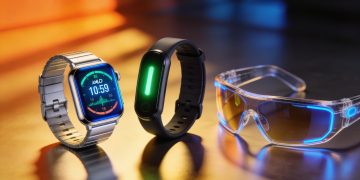
Wearable technology has moved beyond fitness tracking and smart notifications, now embedding itself firmly in the realm of personal security. These devices are designed to be inconspicuous yet highly effective, offering a layer of protection that is always within reach. The convenience and subtlety of wearable safety gadgets make them increasingly popular among commuters, students, and anyone seeking an extra measure of personal security.
Advertisement
The integration of advanced sensors and communication capabilities allows these wearables to perform multiple functions, from discreetly alerting emergency contacts to providing real-time location tracking. This evolution signifies a shift towards preventative and immediate response mechanisms, making personal safety more accessible and less intrusive than ever before.
Smart Rings and Bracelets: Disguised Guardians
One of the most significant trends in wearable personal security tech is the emergence of smart rings and bracelets. These devices blend seamlessly with everyday jewelry, making them virtually indistinguishable from regular accessories. Their primary appeal lies in their ability to offer robust security features without drawing unwanted attention, allowing users to activate alerts or record interactions discreetly.
- Discreet Alert Activation: A simple gesture or button press can send emergency signals to pre-selected contacts or authorities.
- Real-time Location Sharing: GPS integration ensures that loved ones or emergency services can pinpoint the user’s exact location during an incident.
- Audio Recording Capabilities: Some devices include miniature microphones to record critical conversations or events, providing valuable evidence.
- Vibration Alerts: Subtle vibrations can notify users of potential threats or provide confirmation that an alert has been sent.
These devices are often paired with smartphone apps, allowing for customization of contacts, alert messages, and security settings. The intuitive nature of their design ensures that users can operate them effectively under stress, providing a crucial advantage in critical situations. The focus on user experience and reliability is paramount for these life-saving gadgets.
Advertisement
The innovation in smart rings and bracelets demonstrates a clear commitment to making personal safety solutions both powerful and unobtrusive. As technology advances, we can expect even more sophisticated features, such as biometric authentication and enhanced battery life, to further solidify their role in everyday personal security.
Advanced Personal Alarms with GPS Tracking
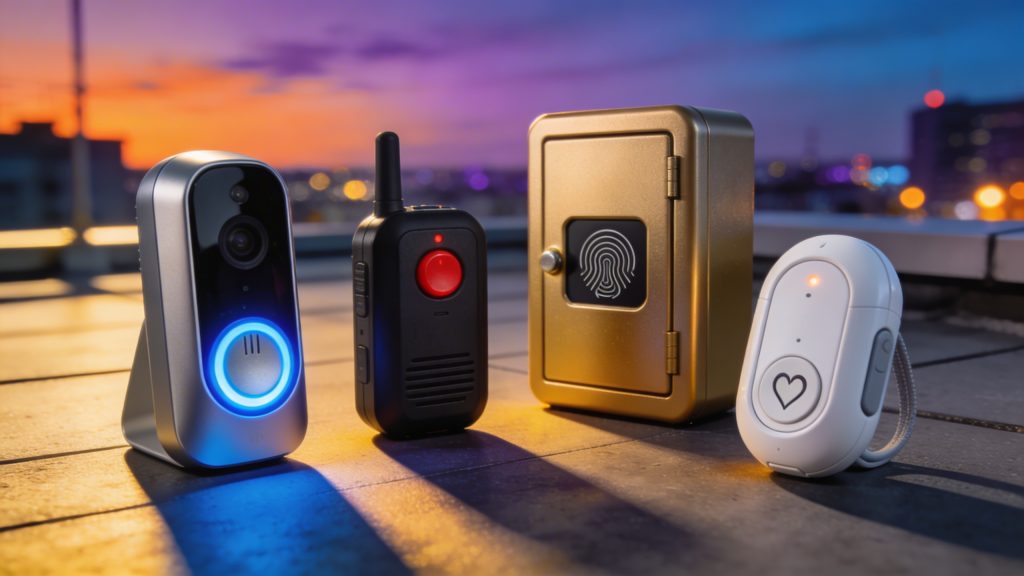
Traditional personal alarms have been a staple for decades, offering a loud deterrent to potential threats. However, 2025 sees a significant upgrade to these devices, incorporating GPS tracking and two-way communication to provide a more comprehensive safety solution. These advanced personal alarms are no longer just about making noise; they are about connecting users to help when and where they need it most.
The integration of GPS technology transforms a simple alarm into a powerful safety tool, providing precise location data to emergency contacts or professional monitoring services. This capability is particularly vital in situations where a user might be disoriented or unable to communicate their whereabouts effectively. The evolution of these alarms highlights a move towards integrated safety ecosystems.
Beyond the Siren: Connectivity and Communication
Modern personal alarms go far beyond a piercing siren. Many now include features like built-in microphones and speakers, enabling two-way communication with emergency responders or a designated support network. This allows for direct communication, providing crucial information about the situation and ensuring that appropriate help is dispatched quickly.
These devices often come with companion apps that allow users to manage their emergency contacts, test the alarm functionality, and receive status updates. Some even offer subscription-based monitoring services, providing 24/7 access to trained professionals who can assess the situation and coordinate with local authorities. The focus is on creating a seamless and reliable link between the user and help.
- Instant Emergency Alerts: Activate an alert with a single press, instantly notifying chosen contacts.
- Precise GPS Location: Shares real-time location data, crucial for rapid response.
- Two-Way Communication: Speak directly with emergency services or trusted contacts through the device.
- Silent Alarm Options: Some models offer discreet alerting capabilities for situations where a loud alarm might escalate danger.
The design of these advanced personal alarms prioritizes ease of use and durability, ensuring they can withstand various environmental conditions and be activated quickly under pressure. Their enhanced functionality makes them an indispensable tool for anyone prioritizing their personal safety in an unpredictable world. The blend of traditional deterrence with modern connectivity offers unparalleled peace of mind.
Smart Home Security Systems with AI Integration
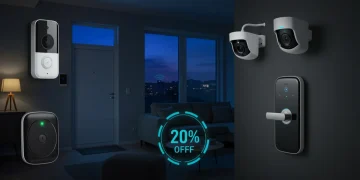
While personal security often focuses on individual protection outside the home, the sanctuary of one’s residence also benefits immensely from advanced technology. Smart home security systems in 2025 are no longer just about motion sensors and door contacts; they are intelligent, predictive networks powered by artificial intelligence. These systems offer a proactive approach to home safety, learning patterns and identifying anomalies to prevent incidents before they occur.
The integration of AI allows these systems to differentiate between a pet and an intruder, recognize familiar faces, and even detect unusual activity patterns that might indicate a potential threat. This level of sophistication reduces false alarms and provides more accurate, actionable intelligence, significantly enhancing the overall security posture of a home.
Predictive Analytics and Behavioral Recognition
The true power of AI in smart home security lies in its ability to analyze data and predict potential threats. By learning the routines of household members and visitors, the system can flag any deviations as suspicious. For example, if a door typically opens at a certain time, an unexpected opening at an unusual hour would trigger an alert. This predictive capability moves security from reactive to proactive.
Behavioral recognition, a subset of AI, enables cameras to identify individuals and distinguish between authorized persons and strangers. This can range from facial recognition for entry systems to monitoring activity within the home to ensure the well-being of elderly residents or children. The intelligence embedded in these systems offers a truly personalized security experience.
- Intelligent Motion Detection: Distinguishes between pets, vehicles, and human intruders, minimizing false alerts.
- Facial Recognition Entry: Securely identifies authorized individuals for keyless entry and alerts for unrecognized faces.
- Anomaly Detection: Learns daily routines and flags unusual activities, such as windows opening at odd hours.
- Integrated Smart Locks: Remotely control and monitor door access, providing logs of who enters and exits.
The evolution of smart home security systems is about creating an invisible shield around your property, constantly learning and adapting to provide optimal protection. These systems are often modular, allowing homeowners to customize their security setup with various sensors, cameras, and smart devices, all managed through a central app. The goal is to provide comprehensive, intelligent security that adapts to modern living.
GPS Trackers for Personal Belongings and Loved Ones
Beyond personal wearables, GPS tracking technology has become indispensable for safeguarding valuable belongings and ensuring the safety of vulnerable family members. In 2025, miniature, long-lasting GPS trackers are offering unparalleled peace of mind, allowing users to monitor anything from a child’s backpack to a car or even a pet in real-time. These devices are designed for discreet placement and extended operational periods.
The advancements in battery technology and cellular connectivity have made these trackers more reliable and efficient than ever before. They provide a crucial safety net for parents, caregivers, and anyone looking to protect their assets from loss or theft. The ability to know the precise location of what matters most offers immense relief.
Miniaturization and Long-Lasting Power
A key innovation in GPS trackers is their shrinking size combined with significantly extended battery life. This allows them to be easily concealed in bags, attached to keychains, or even integrated into clothing, making them hard to detect without compromising functionality. Some trackers can operate for weeks or even months on a single charge, reducing the need for constant maintenance and ensuring continuous protection.
These trackers often come with geofencing capabilities, allowing users to set virtual boundaries. If the tracker crosses these boundaries, an alert is immediately sent to the user’s smartphone, providing an early warning system for potential issues. This feature is particularly useful for monitoring children, elderly family members with cognitive impairments, or ensuring vehicles remain within designated areas.
- Compact Design: Small enough to be discreetly placed on almost any item or person.
- Extended Battery Life: Operates for long periods without frequent recharging, ensuring continuous tracking.
- Geofencing Alerts: Notifies users when the tracker enters or exits predefined safe zones.
- Real-time Location Updates: Provides precise, on-demand location information via a smartphone app.
The utility of GPS trackers extends beyond mere tracking; they are vital tools for recovery in case of theft and provide a critical layer of safety for those who may wander or become lost. Their robust design often includes water resistance and tamper detection, ensuring they remain operational even in challenging conditions. Investing in these trackers is an investment in security and peace of mind.
Personal VPN Devices for Digital Safety
In an increasingly connected world, personal security extends beyond the physical realm into the digital one. With cyber threats constantly evolving, protecting personal data and online activities is paramount. Personal VPN (Virtual Private Network) devices are emerging as a trending gadget in 2025, offering a hardware-based solution to encrypt internet traffic and mask online identity, providing a secure browsing experience wherever you go.
Unlike software VPNs, a dedicated VPN device creates an encrypted tunnel for all internet-connected gadgets in its vicinity, offering a robust and convenient way to secure multiple devices simultaneously. This becomes especially important when using public Wi-Fi networks, which are often vulnerable to data interception and cyber-attacks. Digital safety is as crucial as physical safety.
Hardware-Based Encryption and Anonymous Browsing
Personal VPN devices provide a physical layer of security, creating a secure, encrypted connection for all devices connected to it. This means that all your online activities, from browsing to banking, are protected from prying eyes, including internet service providers, hackers, and government surveillance. The hardware-level encryption offers a higher degree of security compared to software-only solutions.
These portable devices are easy to set up and use, often requiring just a few steps to activate. They are ideal for travelers, remote workers, or anyone who frequently connects to various Wi-Fi networks. By routing all internet traffic through a secure server, they effectively mask your IP address, making your online activities virtually untraceable and ensuring anonymity. This offers a comprehensive shield against digital threats.
- Encrypts All Connected Devices: Secures laptops, smartphones, tablets, and other Wi-Fi enabled gadgets simultaneously.
- Masks IP Address: Hides your true location and online identity for anonymous browsing.
- Protects on Public Wi-Fi: Safeguards data from interception on insecure public networks.
- Bypasses Geo-Restrictions: Allows access to region-locked content by routing through servers in different countries.
The convenience of a personal VPN device lies in its portability and ease of use, providing instant digital protection without complex software installations on each device. As our lives become more intertwined with the digital world, these gadgets are becoming an essential component of a comprehensive personal security strategy, ensuring that your online presence remains private and secure.
Biometric Security for Everyday Access
The concept of biometric authentication has steadily moved from futuristic thrillers to everyday reality, and by 2025, it has become a cornerstone of personal security for various access points. From unlocking smartphones to securing homes and even vehicles, biometric solutions offer a convenient yet highly secure method of identity verification. These technologies leverage unique biological characteristics, making them exceptionally difficult to bypass.
Fingerprint scanners, facial recognition, and even iris scans are becoming more sophisticated and affordable, leading to their widespread adoption in consumer-grade devices. This shift towards biometric security significantly enhances protection against unauthorized access, offering a level of assurance that traditional passwords or keys simply cannot match. The seamless integration into daily life makes them highly appealing.
Fingerprint, Facial, and Iris Recognition Advancements
The accuracy and speed of biometric sensors have seen remarkable improvements. Modern fingerprint scanners, for instance, can read prints even through minor obstructions or moisture, while facial recognition systems can now distinguish between identical twins and operate effectively in varying light conditions. Iris recognition, though less common in consumer devices, offers an even higher level of security due to the unique patterns of each individual’s iris.
These biometric systems are not just about unlocking devices; they are being integrated into smart locks for homes, secure payment terminals, and even personal storage solutions. The convenience of simply using your body as a key eliminates the risk of lost or stolen credentials, streamlining access while bolstering security. The technology is also becoming more resistant to spoofing attempts, thanks to advanced algorithms and multi-factor authentication.
- Enhanced Accuracy: Advanced sensors and algorithms minimize false positives and negatives.
- Multi-Factor Biometrics: Combining two or more biometric methods (e.g., fingerprint and facial scan) for heightened security.
- Liveness Detection: Systems can detect if a presented biometric is from a living person, preventing spoofing with photos or molds.
- Seamless Integration: Biometric access is becoming a standard feature in smartphones, laptops, smart locks, and even vehicles.
The future of personal access control is undoubtedly biometric. As these technologies continue to evolve, they will offer even greater convenience and security, making our digital and physical spaces more protected than ever. The reliability and inherent uniqueness of biometric data make it an ideal foundation for robust personal security solutions in 2025.
Emergency Preparedness Kits with Smart Features
While technology often focuses on preventing incidents, intelligent emergency preparedness is equally crucial for personal security. In 2025, traditional emergency kits are being revolutionized with smart features, transforming them from static collections of supplies into dynamic, connected resources. These kits are designed to provide not just basic necessities but also critical information and communication tools during crises, both natural and man-made.
The integration of smart technology means these kits can offer real-time weather alerts, connect to emergency services, and even provide guidance through augmented reality applications. This proactive approach to disaster readiness ensures that individuals are not only equipped with supplies but also with the knowledge and connectivity needed to navigate challenging situations effectively.
Connected Supplies and Real-time Information
Modern emergency kits often include rugged, portable power banks capable of recharging multiple devices, satellite communication devices for areas without cellular service, and smart radios that can receive emergency broadcasts and weather alerts. Some even feature water purification systems with digital indicators of water quality, ensuring access to safe drinking water.
Beyond physical supplies, these kits emphasize access to information. Tablets or robust smartphones pre-loaded with emergency plans, local maps, and first-aid guides are common. Some advanced kits even incorporate small drones for aerial assessment of immediate surroundings, providing critical situational awareness. The objective is to create a self-sufficient and informed response capability in any emergency scenario.
- Smart Power Solutions: Portable chargers and solar panels to keep essential devices running.
- Satellite Communicators: Ensures connectivity in remote areas or during widespread outages.
- Digital First Aid Guides: Interactive guides and apps for immediate medical assistance.
- Weather Alert Radios: Provides real-time notifications for severe weather and other emergencies.
These smart emergency preparedness kits represent a holistic approach to personal safety, acknowledging that security is not just about avoiding threats but also about being resilient and resourceful when faced with unexpected events. By combining essential supplies with intelligent technology, these kits empower individuals to take control of their safety and well-being during critical times.
| Key Trend | Brief Description |
|---|---|
| Wearable Safety Devices | Discreet gadgets like smart rings offering emergency alerts and location tracking. |
| Advanced Personal Alarms | Alarms with GPS tracking and two-way communication for immediate assistance. |
| Smart Home Security with AI | AI-powered systems offering predictive analytics and behavioral recognition for home safety. |
| GPS Trackers | Miniaturized, long-lasting trackers for personal belongings and vulnerable individuals. |
Frequently Asked Questions About Personal Security Tech
Wearable personal safety devices offer discreet protection, allowing users to send emergency alerts and share real-time location without drawing attention. They integrate seamlessly into daily life, providing a constant sense of security and empowering individuals to respond quickly in critical situations, enhancing overall peace of mind.
AI-integrated smart home security systems enhance safety by learning household routines and identifying anomalies. They can differentiate between pets and intruders, recognize familiar faces, and provide predictive threat analysis, significantly reducing false alarms and offering more precise, actionable insights for home protection.
Yes, modern GPS trackers are highly effective due to their miniaturization, long battery life, and real-time tracking capabilities. They provide precise location data, often with geofencing alerts, which is invaluable for recovering stolen items or locating vulnerable family members, offering a critical safety net.
A personal VPN device is crucial for digital safety as it provides hardware-based encryption for all connected devices, protecting online activities from cyber threats. It masks your IP address, ensuring anonymous browsing and safeguarding data, especially on insecure public Wi-Fi networks, which is vital for maintaining online privacy and security.
Biometric security, utilizing unique biological characteristics like fingerprints or facial features, offers high security and convenience. Its enhanced accuracy and integration into everyday access points, from smartphones to smart locks, make it incredibly difficult to bypass. It eliminates the risks associated with traditional passwords, providing a seamless and robust layer of personal protection.
Conclusion
As we navigate 2025, the evolution of personal security tech reflects a growing need for more intelligent, integrated, and discreet safety solutions. The gadgets highlighted—from wearable safety devices to advanced personal alarms with GPS, AI-driven smart home systems, and personal VPN devices—represent a significant leap forward in empowering individuals to protect themselves and their loved ones. These innovations are not just about reacting to threats but proactively preventing them and ensuring peace of mind in an increasingly complex world. Embracing these technologies means stepping into a future where personal safety is more accessible, reliable, and seamlessly integrated into our daily lives, allowing us to move forward with greater confidence and security.