2025 Athleisure Evolution: 4 Key Style Shifts to Watch
Advertisement
The 2025 athleisure evolution is characterized by a strong emphasis on sustainability, technological integration, and the seamless fusion of comfort and high-performance aesthetics, redefining everyday fashion.
The fashion landscape is constantly evolving, but few sectors have experienced such a transformative surge as athleisure. As we approach mid-decade, the 2025 athleisure evolution is set to redefine our wardrobes, blending comfort with cutting-edge design and a renewed sense of purpose. This isn’t just about gym wear; it’s about a lifestyle, a statement, and a commitment to both personal well-being and global responsibility.
The Rise of Sustainable and Ethical Athleisure
The conversation around fashion has irrevocably shifted towards sustainability, and athleisure is at the forefront of this movement. Consumers are increasingly aware of the environmental and social impact of their clothing choices, driving brands to innovate with eco-friendly materials and ethical production processes. This trend is not merely a passing fad; it’s a fundamental change in how we perceive and consume activewear, influencing everything from fabric sourcing to supply chain transparency.
Advertisement
Brands are responding by investing heavily in research and development to create high-performance fabrics from recycled plastics, organic cotton, bamboo, and even plant-based alternatives. These materials not only reduce environmental footprints but often offer enhanced breathability, moisture-wicking properties, and durability. The focus is on creating products that last longer, reducing the need for frequent replacements and minimizing waste.
Innovative Material Sourcing and Production
The quest for sustainable materials extends beyond just recycling. Companies are exploring bio-based polymers derived from corn or sugarcane, as well as closed-loop systems that recapture and reuse resources. This approach minimizes waste and energy consumption throughout the manufacturing process, making the entire lifecycle of an athleisure garment more environmentally sound.
- Recycled Polyester: Made from plastic bottles, reducing landfill waste and virgin resource consumption.
- Organic Cotton: Grown without harmful pesticides or synthetic fertilizers, promoting healthier ecosystems.
- Tencel Lyocell: Derived from sustainably sourced wood pulp, known for its softness and breathability.
- Hemp Fabrics: Requires less water and no pesticides, offering natural durability and antimicrobial properties.
Beyond materials, ethical production practices are gaining traction. This includes fair labor wages, safe working conditions, and transparent supply chains. Consumers want to know that their athleisure wear is not only good for the planet but also for the people who make it. Certifications from organizations like Fair Trade and GOTS (Global Organic Textile Standard) are becoming crucial indicators of a brand’s commitment to ethical standards.
Advertisement
The integration of technology also plays a role in sustainable athleisure. Digital printing techniques reduce water usage and dye waste, while advanced knitting methods can minimize fabric scraps. The future of sustainable athleisure lies in a holistic approach that considers every stage of a garment’s life, from raw material to end-of-life disposal, ensuring a positive impact on both people and the planet. This commitment to sustainability is a cornerstone of the 2025 athleisure evolution, shaping consumer choices and brand strategies alike.
The Blurring Lines: Hybrid Performance Wear
The days of distinct activewear and casual wear are rapidly fading. The 2025 athleisure evolution is characterized by a significant move towards hybrid performance wear, garments designed to seamlessly transition from an intense workout to a business casual meeting or a social gathering. This shift reflects a lifestyle where individuals seek versatility and efficiency in their wardrobes, demanding clothing that can keep up with their dynamic schedules without compromising on style or functionality.
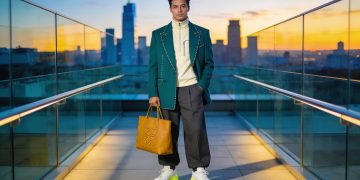
This trend is more than just comfort; it’s about intelligent design. Hybrid pieces incorporate technical fabrics with sophisticated cuts and aesthetic details, making them appropriate for a wider range of occasions. Think tailored joggers made from moisture-wicking materials, blazers with integrated stretch and breathability, or dresses that offer both freedom of movement and elegant draping. The goal is to provide maximum utility without sacrificing an ounce of style.
Smart Fabrics and Adaptive Designs
Technological advancements in textiles are central to this hybrid movement. Fabrics are being engineered to respond to environmental changes, offering features like temperature regulation, odor resistance, and UV protection. These smart fabrics enhance the wearer’s comfort and performance, whether they are exercising outdoors or navigating a busy urban environment. The adaptive nature of these designs ensures that clothing remains functional and stylish in diverse contexts.
- Four-Way Stretch: Provides unrestricted movement, crucial for both athletic activities and daily comfort.
- Moisture-Wicking: Draws sweat away from the body, keeping the wearer dry and comfortable.
- Anti-Odor Technology: Prevents bacterial growth, ensuring freshness even after prolonged wear.
- Wrinkle-Resistant: Maintains a polished look throughout the day, ideal for busy professionals.
The aesthetic of hybrid performance wear often leans towards minimalist and sophisticated designs. Neutral color palettes, subtle textures, and clean lines dominate, allowing these pieces to be easily integrated into existing wardrobes. The emphasis is on timelessness rather than fleeting trends, promoting a more conscious and sustainable approach to fashion. This versatility is a key driver for the 2025 athleisure evolution, appealing to consumers who value both practicality and refined style.
Furthermore, the design philosophy behind hybrid wear encourages layering and modularity. Pieces are often designed to be worn together in various combinations, maximizing their utility and extending their lifespan. This thoughtful approach to design reduces the need for multiple specialized garments, streamlining wardrobes and supporting a more efficient lifestyle. The fusion of performance and everyday elegance defines this significant shift in athleisure.
Tech-Integrated Athleisure: Wearable Innovation
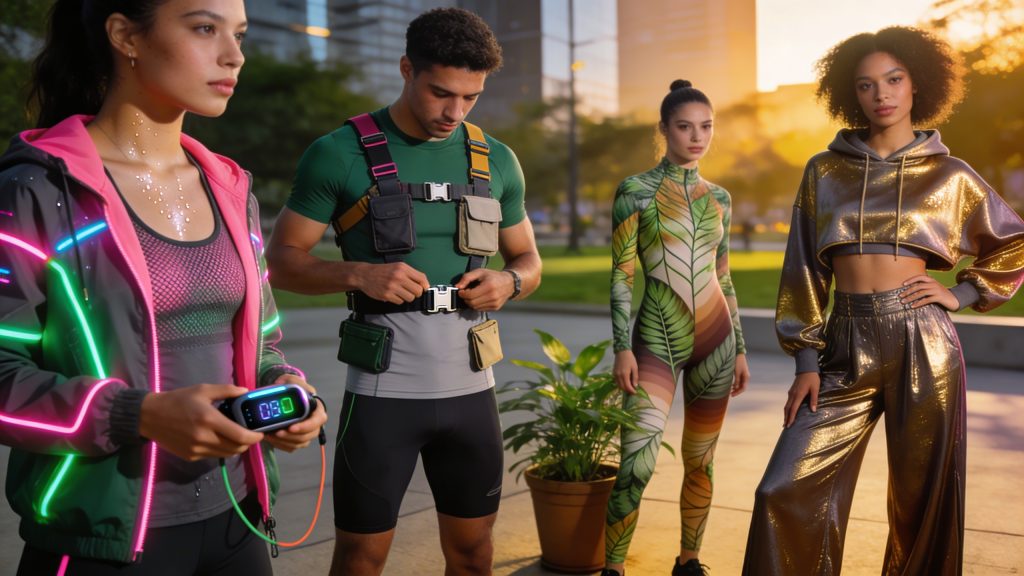
The intersection of technology and fashion is becoming increasingly seamless, and the 2025 athleisure evolution will see a greater emphasis on tech-integrated apparel. This isn’t just about smartwatches; it’s about clothing itself becoming a smart device, enhancing performance, monitoring health, and providing interactive experiences. Wearable innovation is transforming athleisure from mere garments into sophisticated tools that support a modern, active lifestyle.
From embedded sensors that track vital signs to fabrics that can actively cool or heat the body, the possibilities are expanding rapidly. These technological integrations are designed to be discreet, comfortable, and intuitive, blending effortlessly into the aesthetic of the clothing. The goal is to provide actionable data and tangible benefits to the wearer without sacrificing style or comfort, making athleisure a truly intelligent choice for everyday wear and athletic pursuits.
Smart Fabrics and Performance Monitoring
Beyond simple fitness trackers, advancements in smart textiles allow for direct integration of technology into the fabric itself. This means clothing can do more than just wick sweat; it can monitor heart rate, track muscle activity, and even provide biofeedback to optimize performance. These innovations offer a deeper understanding of the body’s responses during activity, enabling personalized training and recovery strategies.
- Embedded Sensors: Discreetly woven into fabric to track heart rate, respiration, and body temperature.
- Haptic Feedback: Clothing that vibrates to guide posture or technique during exercises.
- Thermoregulating Materials: Fabrics that adapt to body temperature, providing cooling or warming as needed.
- UV Protection: Textiles with built-in protection against harmful sun rays, essential for outdoor activities.
The data collected by these tech-integrated garments can be seamlessly synced with smartphone apps, offering comprehensive insights into performance and well-being. This creates a personalized ecosystem where individuals can monitor their progress, set goals, and receive tailored recommendations. The convenience and accuracy of these systems are appealing to both casual exercisers and serious athletes, driving the demand for more advanced athleisure solutions.
Furthermore, the aesthetic of tech-integrated athleisure is evolving to be sleek and sophisticated. Designers are finding innovative ways to conceal wires and components, ensuring that the clothing looks as good as it performs. The emphasis is on minimalist designs that highlight the advanced functionality without appearing overly futuristic or bulky. This discreet integration of technology is a defining characteristic of the 2025 athleisure evolution, making intelligent clothing a mainstream reality.
Comfort as the Ultimate Luxury: Elevated Loungewear
In the 2025 athleisure evolution, comfort has cemented its status as the ultimate luxury. This shift goes beyond merely wearing soft clothes; it’s about elevated loungewear that combines supreme comfort with sophisticated design, making it acceptable and even desirable for a wider range of activities beyond the home. The pandemic catalyzed a re-evaluation of our relationship with clothing, prioritizing well-being and ease without sacrificing style.
This trend manifests in luxurious fabrics, impeccable tailoring, and thoughtful details that transform basic loungewear into pieces suitable for casual outings, remote work, or even informal social gatherings. The emphasis is on quality over quantity, investing in versatile pieces that offer both comfort and a polished aesthetic. Consumers are seeking garments that feel good against the skin, provide effortless movement, and exude an understated elegance.
Premium Fabrics and Thoughtful Design
The elevated loungewear category is defined by its use of premium materials. Cashmere blends, fine merino wool, organic cotton, and specialized modal fabrics are becoming commonplace, offering unparalleled softness and breathability. These materials not only enhance comfort but also contribute to the luxurious feel and drape of the garments, elevating them beyond typical casual wear.
- Cashmere Blends: Offer exceptional softness, warmth, and a touch of luxury.
- Supima Cotton: Known for its extra-long staple fibers, resulting in incredibly soft and durable fabrics.
- Modal and Tencel: Silky smooth, breathable, and sustainably sourced regenerated cellulose fibers.
- Merino Wool: Naturally thermoregulating, odor-resistant, and soft against the skin, ideal for year-round wear.
Design details are also crucial. Elevated loungewear often features refined silhouettes, subtle branding, and thoughtful finishes like reinforced seams, adjustable waistbands, and perfectly cut hems. The fit is relaxed but not sloppy, designed to flatter various body types while providing maximum freedom of movement. Color palettes tend towards muted tones, earthy neutrals, and sophisticated pastels, contributing to a sense of calm and timelessness.
Furthermore, the concept of a ‘capsule wardrobe’ is highly relevant here. Elevated loungewear pieces are designed to be mixed and matched, creating a cohesive and versatile collection that simplifies dressing while maintaining a chic appearance. This focus on comfort as a luxury is a powerful force in the 2025 athleisure evolution, reflecting a broader cultural shift towards well-being and mindful consumption. It’s about feeling good, looking good, and living authentically.
Gender-Neutral and Inclusive Athleisure
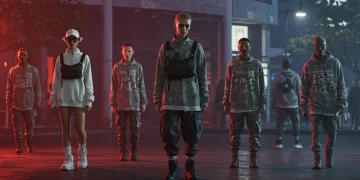
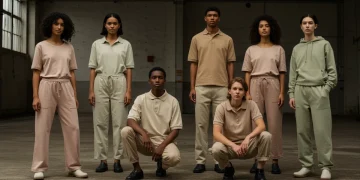
The 2025 athleisure evolution is also marked by a significant push towards gender-neutral and inclusive designs. Traditional fashion divisions are becoming increasingly obsolete as consumers seek clothing that reflects their personal style and identity, rather than conforming to outdated gender norms. This movement emphasizes universal appeal, comfort, and functionality for everyone, regardless of gender identity or body type.
Brands are responding by creating collections that feature looser fits, adjustable elements, and a broader range of sizes. The focus is on flattering silhouettes that work well for diverse body shapes, ensuring that athleisure is accessible and comfortable for a wider audience. This inclusivity extends beyond design to marketing, with campaigns featuring diverse models that authentically represent the broad spectrum of modern consumers.
Universal Design Principles and Marketing
Gender-neutral athleisure often employs universal design principles, focusing on clean lines, versatile cuts, and functional details that appeal to a broad demographic. This includes items like oversized hoodies, relaxed-fit joggers, and adaptable outerwear that can be styled in multiple ways. The emphasis is on practicality and comfort, allowing individuals to express themselves freely without being confined by traditional gendered clothing categories.
- Relaxed Fits: Offer comfort and versatility for various body types.
- Adjustable Features: Drawstrings, elasticated waists, and adjustable cuffs allow for personalized fit.
- Neutral Color Palettes: Timeless colors that appeal across genders and can be easily mixed and matched.
- Minimalist Branding: Focus on quality and design rather than overt gender-specific marketing.
Beyond design, marketing strategies are evolving to be more inclusive. Brands are using gender-neutral language, showcasing clothing on models of all genders, and actively promoting a message of self-expression and acceptance. This approach resonates with a new generation of consumers who value authenticity and social responsibility, viewing their clothing choices as an extension of their values. The move towards gender-neutral and inclusive athleisure is not just a trend; it’s a reflection of a more equitable and diverse society.
The impact of this shift is profound, challenging conventional notions of what activewear should look like and who it is for. It fosters a sense of belonging and empowers individuals to choose clothing that genuinely makes them feel good and confident. This commitment to inclusivity is a vital component of the 2025 athleisure evolution, ensuring that fashion is a space where everyone can find their fit and express their unique style without limitations.
The Evolving Role of Athleisure in Everyday Life
The 2025 athleisure evolution signals a fundamental change in how we perceive and integrate activewear into our daily routines. What began as specialized gym attire has blossomed into a pervasive lifestyle category that blurs the lines between performance, fashion, and comfort. Athleisure is no longer just for working out; it’s for working from home, commuting, socializing, and everything in between. This broad acceptance reflects a deeper cultural shift towards prioritizing well-being, flexibility, and practical elegance in our daily lives.
This pervasive integration is driven by consumer demand for clothing that is versatile, durable, and effortlessly stylish. People want garments that can adapt to their multifaceted lives without requiring constant wardrobe changes. The emphasis is on pieces that offer both high functionality and a polished aesthetic, allowing individuals to navigate their day with ease and confidence. This evolving role underscores athleisure’s lasting influence on modern fashion and lifestyle choices.
From Niche to Mainstream: A Cultural Phenomenon
Athleisure’s journey from a niche market to a mainstream cultural phenomenon is a testament to its inherent appeal. The comfort and utility it offers have resonated deeply with consumers, particularly in an era that values convenience and adaptability. This widespread adoption has pushed designers to continuously innovate, creating pieces that are not only functional but also fashion-forward, cementing athleisure’s place as a core component of contemporary wardrobes.
- Work-from-Home Attire: Seamlessly transitions from virtual meetings to casual comfort.
- Travel Essentials: Comfortable and wrinkle-resistant for long journeys.
- Social Gatherings: Elevated designs make athleisure appropriate for informal meet-ups.
- Active Commuting: Performance features support cycling, walking, or public transport.
The psychology behind athleisure’s popularity is also compelling. Wearing comfortable clothing can positively impact mood and productivity, contributing to an overall sense of well-being. This intrinsic link between comfort and mental state reinforces athleisure’s position as more than just clothing—it’s a choice that supports a healthier and happier lifestyle. Brands are tapping into this by emphasizing the holistic benefits of their products, promoting a lifestyle that balances activity with relaxation.
Ultimately, the evolving role of athleisure in everyday life highlights its transformation into a foundational element of modern dressing. It represents a synthesis of functionality, style, and personal values, offering solutions for a dynamic and conscious consumer. The 2025 athleisure evolution will continue to refine this role, pushing boundaries in design, sustainability, and technological integration, ensuring its continued relevance and growth in the years to come.
Investment in Longevity: Quality Over Fast Fashion
A pivotal aspect of the 2025 athleisure evolution is a strong emphasis on investment in longevity, marking a significant departure from fast fashion mentalities. Consumers are increasingly prioritizing quality, durability, and timeless design over fleeting trends and disposable garments. This shift reflects a growing awareness of environmental impact and a desire for a more sustainable and cost-effective approach to building a wardrobe. Investing in high-quality athleisure means choosing pieces that will withstand the test of time, both in terms of physical wear and aesthetic relevance.
This trend is fueled by a desire for conscious consumption. Instead of buying numerous low-cost items, individuals are opting for fewer, well-made pieces that offer superior performance and comfort. This approach not only reduces waste but also provides a better return on investment, as durable garments last longer and maintain their appearance over many wears and washes. The focus is on craftsmanship, premium materials, and classic designs that transcend seasonal fads.
Craftsmanship and Durable Materials
Brands that excel in this space are those committed to exceptional craftsmanship and the use of resilient materials. This includes reinforced stitching, high-quality zippers, and fabrics engineered for durability, such as abrasion-resistant nylons and robust blends. The attention to detail ensures that garments can endure rigorous activity and frequent washing without losing their shape, color, or functional properties.
- Reinforced Seams: Enhances durability in high-stress areas, preventing tearing.
- Colorfast Dyes: Ensures colors remain vibrant after repeated washing and exposure to sunlight.
- Pill-Resistant Fabrics: Maintains a smooth surface, keeping garments looking new longer.
- High-Quality Zippers and Hardware: Prevents malfunctions and extends the life of the garment.
The aesthetic of longevity-focused athleisure often leans towards classic, versatile designs that are not tied to specific trends. Think timeless leggings, well-constructed hoodies, and versatile jackets in foundational colors. These pieces can be easily integrated into various outfits and remain stylish for years, contributing to a more sustainable and functional wardrobe. This deliberate choice for enduring style over ephemeral fashion is a hallmark of the 2025 athleisure evolution.
Furthermore, brands are increasingly offering repair services or take-back programs to encourage circularity. This commitment to extending the life of their products further supports the investment in longevity, providing consumers with options to maintain or responsibly dispose of their athleisure wear. This holistic approach to product lifecycle management reinforces the value of quality and durability, making conscious consumption a core principle of modern athleisure.
| Key Shift | Brief Description |
|---|---|
| Sustainable Athleisure | Focus on eco-friendly materials and ethical production processes. |
| Hybrid Performance Wear | Garments designed for seamless transition from activity to daily life. |
| Tech-Integrated Apparel | Smart fabrics and embedded sensors for enhanced performance and health monitoring. |
| Elevated Loungewear | Premium comfort with sophisticated design for versatile daily wear. |
Frequently Asked Questions About the 2025 Athleisure Evolution
Sustainable athleisure in 2025 is defined by the use of recycled, organic, or bio-based materials, coupled with ethical production practices. This includes reducing water and energy consumption, ensuring fair labor, and promoting transparency throughout the supply chain to minimize environmental impact.
Hybrid performance wear is changing daily fashion by offering versatile garments that seamlessly transition from workouts to casual or even semi-formal settings. It blends technical fabrics with stylish designs, allowing individuals to maintain comfort and functionality without compromising on a polished aesthetic for any occasion.
Technology integrated into athleisure includes embedded sensors for tracking heart rate and movement, thermoregulating fabrics that adapt to body temperature, and haptic feedback systems for posture guidance. These innovations enhance performance, monitor health, and provide personalized data for optimizing physical activity.
Comfort is considered a luxury in 2025 athleisure because consumers are prioritizing well-being and ease in their clothing choices. Elevated loungewear, made from premium fabrics and featuring sophisticated designs, allows for supreme comfort without sacrificing style, making it suitable for a wide range of activities.
Athleisure promotes inclusivity through gender-neutral designs, a wider range of sizes, and marketing campaigns that feature diverse body types and identities. It focuses on universal appeal, comfort, and functionality, allowing everyone to express their personal style without conforming to traditional fashion norms or limitations.
Conclusion
The 2025 athleisure evolution is far more than a fleeting trend; it represents a profound shift in how we view and interact with our clothing. The convergence of sustainability, hybrid functionality, technological integration, elevated comfort, and inclusivity is redefining the very essence of modern wardrobes. Consumers are increasingly sophisticated in their demands, seeking garments that not only perform exceptionally but also align with their values and dynamic lifestyles. This comprehensive transformation ensures that athleisure will continue to be a dominant force in fashion, offering innovative solutions that empower individuals to live more comfortably, consciously, and stylishly. The next six months will undoubtedly solidify these shifts, carving out a future where fashion truly serves the multifaceted needs of contemporary life.